
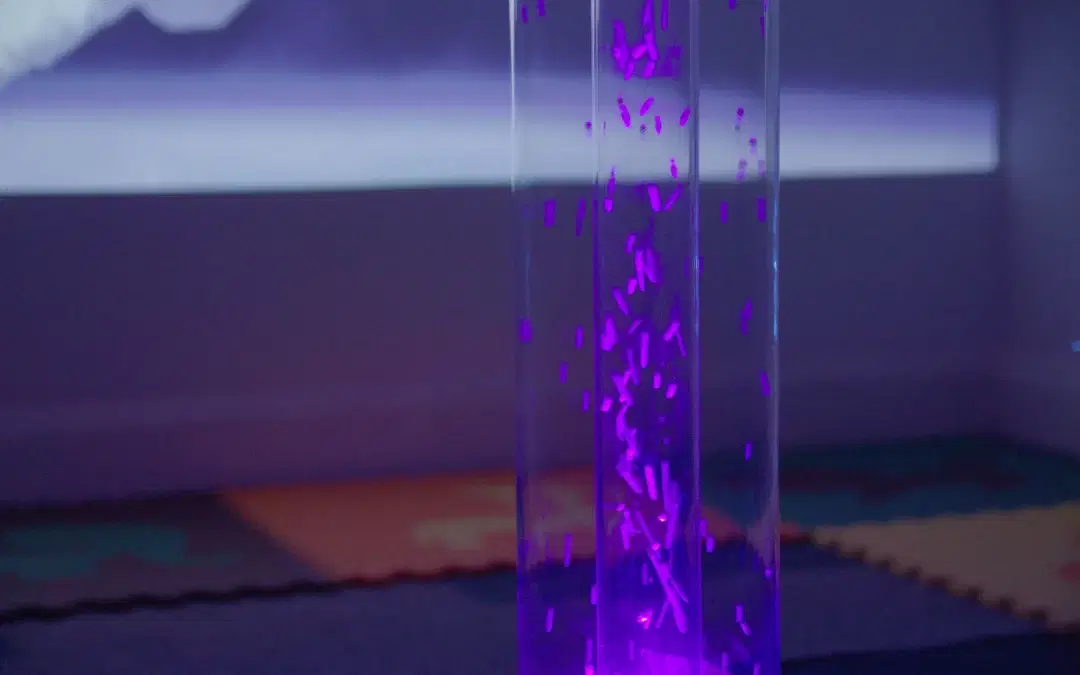
Walk into any sensory or therapeutic space, and you might come across a glowing column gently dancing with light and motion. These are air tubes.
Air tubes use a combination of airflow, fabric/beads, and colour changing lights to create a soothing and engaging visual display. As a dry, safe, and low-maintenance alternative to bubble tubes, they provide similar therapeutic value. So, what exactly makes air tubes work and why are they gaining popularity in schools, care settings, and sensory environments?
What Are Air Tubes?
An air tube is a tall, clear or translucent column often made from fabric or acrylic, through which a continuous stream of air flows. This airflow animates lightweight materials like fabric or beads/balls inside the tube, creating calming, dynamic movement.
LED lights at the base or within the column enhance the visual experience by gently cycling through colours. Like bubble tubes, some air tubes are interactive and can be controlled with switches, remotes, or sound activation.
Air tubes come in various sizes and are ideal for sensory rooms, early years settings, special education classrooms, and care facilities. Their dry design makes them a practical solution for environments where water-based equipment isn’t suitable.
How Do Air Tubes Work?
Air tubes are simple in design but highly effective in function. They combine three main elements:
- Fan Unit
A quiet fan at the base of the tube pushes air upward, causing lightweight materials inside the tube to flutter or dance. - Fabric or beads/balls
These materials respond to the air movement, creating soft, rhythmic visuals that are both calming and mesmerising. - LED Lighting
Integrated lights add a colourful glow to the movement, with many models offering colour changing features or interactive lighting options.
Some air tubes allow users to interact via external switches or sound controls, making them suitable for a wide range of sensory profiles.
Who Benefits from Air Tubes?
Air tubes are valuable tools in multisensory environments and provide therapeutic benefits for many groups:
- Children and Adults with Autism
The predictable movement and calming lights provide a safe and comforting focal point, helping reduce anxiety and sensory overload. - People with Sensory Processing Disorders
Air tubes engage visual and tactile senses in a gentle, non-threatening way, ideal for controlled sensory stimulation. - Individuals with ADHD or Anxiety
The repetitive movement and ambient lighting can support emotional regulation and help improve focus. - People with Dementia or Alzheimer’s
In care homes, air tubes are used to create a calming atmosphere and can encourage reminiscence and gentle engagement without overstimulation. - Young Children in Early Development
Air tubes promote visual tracking, sensory curiosity, and attention span, making them a great addition to early years environments.
Why Are They So Effective?
- No Water, No Mess
Ideal for spaces where hygiene, safety, or maintenance is a concern, air tubes are entirely dry and easy to manage. - Gentle, Captivating Movement
The fluttering fabric mimics natural movements like leaves blowing in the wind, which many users find soothing and hypnotic. - Customisable to the User
Many models allow control over light colour, movement intensity, and interactivity, making them adaptable to individual sensory preferences.
In Summary
Air tubes are more than just a visually appealing feature, they’re effective sensory tools that support relaxation, focus, and sensory integration across a wide range of users. Their dry, low-maintenance design makes them especially suitable for diverse settings, from classrooms and therapy centres to care homes and sensory rooms.
Get in touch to see how we can help you.