
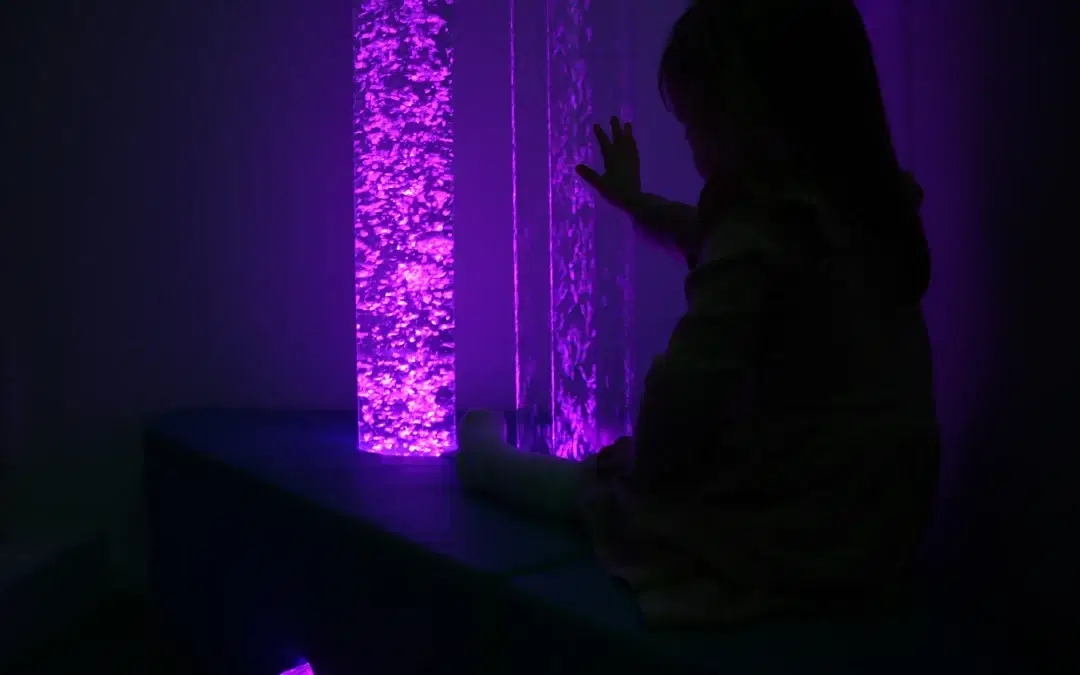
Step into any sensory room or wellness space, and one of the first things you might notice is a glowing, bubbling column of water, often gently cycling through vibrant colours. These are bubble tubes.
Calming and visually engaging, bubble tubes offer therapeutic value as well as aesthetic appeal. But what makes them work and why are they such a popular feature in care, educational, and therapeutic environments?
What Are Bubble Tubes?
A bubble tube is a tall, clear cylinder, typically made of acrylic or plastic that is filled with water. At the base, a light source and air pump work together to produce bubbles that rise continuously through the water. LED lights add a visual element, often cycling through a soothing range of colours. Some models are interactive, allowing users to change the colours using switches or remote controls.
They come in various sizes, from desktop models to floor-to-ceiling installations, and are often included in wellness rooms, autism therapy spaces, or special education classrooms.
How Do Bubble Tubes Work?
At a basic level, bubble tubes combine three key elements:
- Air Pump
This pushes air through a diffuser at the bottom, creating streams of rising bubbles. - Water Column
The water helps carry the bubbles upward, while also serving as a medium for light diffusion. - LED Lighting
Integrated lights illuminate the bubbles and the tube, creating visual effects. Many systems offer remote-controlled colour changes or allow for colour sequencing.
In more advanced tubes, users can control the colour or bubble flow via interactive switches, touch panels, or sound activation—making them highly engaging for individuals with different sensory needs.
Who Benefits from Bubble Tubes?
Bubble tubes are widely used in sensory integration therapy and have benefits for many different groups:
- Children and Adults with Autism
Bubble tubes provide a calming focal point and help reduce sensory overload. The gentle movement, colours, and sounds can help ground individuals and provide a predictable, soothing experience.
- People with Sensory Processing Disorders
They engage multiple senses, visual, auditory (from the bubbles), and sometimes physical (in interactive versions) which can help users process stimuli in a safe and manageable way.
- Individuals with ADHD or Anxiety
The repetitive motion and rhythmic bubbling have a calming effect, helping users regulate their emotions and attention.
- People with Dementia
In care homes, bubble tubes are often used to stimulate memory and reduce agitation. The soft lights and movement can be reassuring and provide gentle mental stimulation.
- Children in Early Development
Even in mainstream settings, bubble tubes support visual tracking, attention span, and early sensory exploration.
Why Are They So Effective?
- Visually Stimulating, Not Overwhelming
The slow, rhythmic movement and colour changes provide stimulation that doesn’t overload the senses. - Predictable and Repetitive
Especially important for individuals who find comfort in routine and predictability. - Customisable for Individual Needs
Many bubble tubes can be adjusted in brightness, colour, or interactivity, tailored to suit different sensory profiles.
In Summary
Bubble tubes offer much more than visual appeal. They’re dynamic tools that promote emotional regulation, focus, and cognitive engagement for people of all ages and abilities. Whether placed in a home, classroom, or therapeutic setting, their soothing effects and versatile benefits have made them an essential feature in multisensory environments.
Get in touch today to see how we can help you.